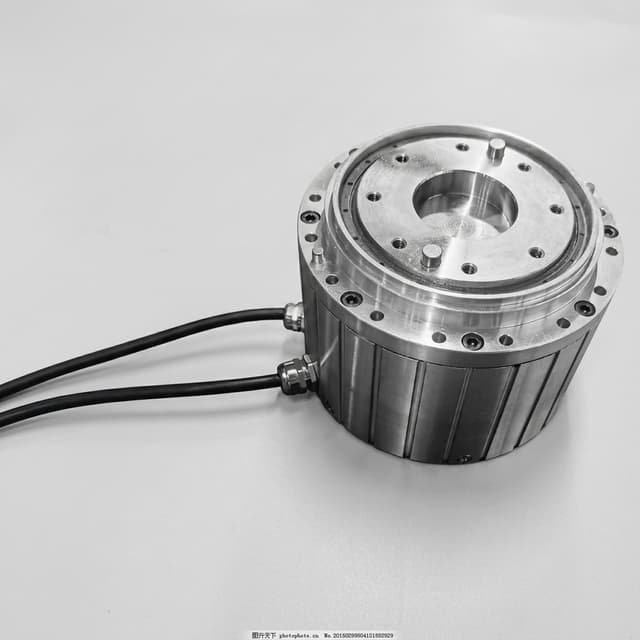
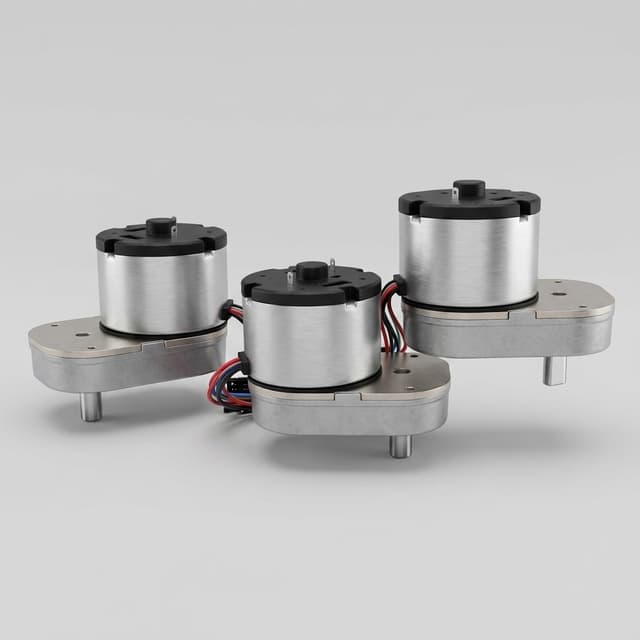
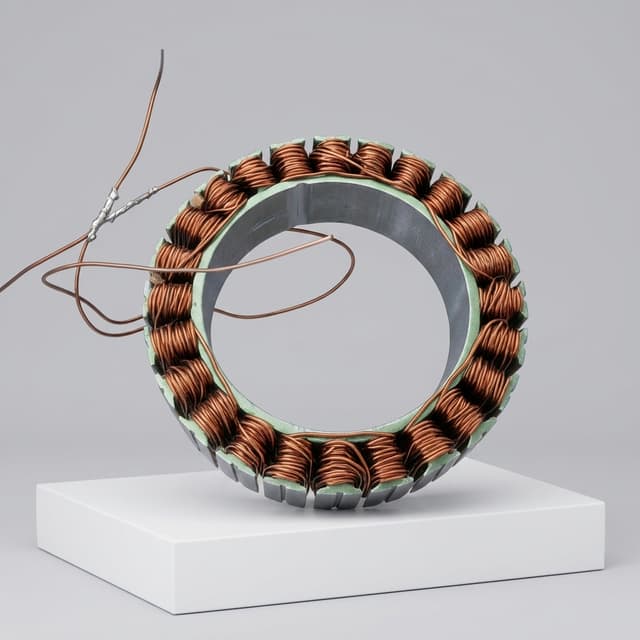
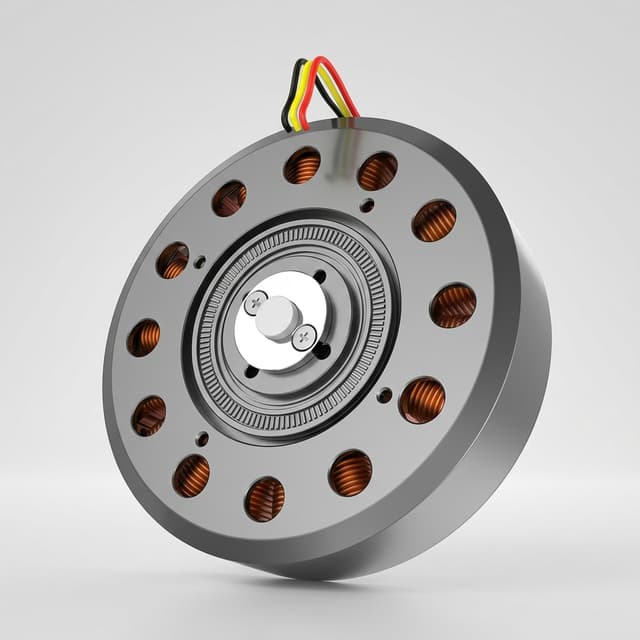
| 100A Robot Joint Servo Drive | Mechanical and electrical engineers designing high-density robotic joints. | Peak Current: 100A | Essential for overcoming high startup inertia and momentary dynamic loads. |
| 10A Robot Joint Servo Drive | Robotics mechatronics and electrical systems engineers designing high-density articulated robot limbs. | Cycle-current reference: 10 A RMS — illustrative reference | Compare measured cycle RMS with the proposed model’s actual cooling and temperature derating curves. |
| Humanoid Robot Joints | Advanced robotics research and commercial humanoid OEMs. | Power-to-Weight: Axis-specific calculation | Crucial for dynamic balancing and must be calculated from torque, mass, and duty-cycle data. |
| Collaborative Robot (Cobot) Joints | Industrial cobot manufacturers. | Torque Ripple: < 2% | Ensures smooth, human-safe motion. |
| AMR and Mobile Robot Servo Drives | Logistics and mobile robotics engineers. | Continuous Current: Up to 50A | Needed for sustained heavy payloads. |
| Exoskeleton and Prosthetics Servo Drives | Wearable tech and biomedical engineers. | Efficiency: Validated per drive and duty cycle | Lower losses can reduce battery and thermal burden, but wearable surface temperature still needs measurement. |
| GaN Servo Drive Selection Guide | Systems Engineers | Selection Accuracy: N/A | Saves months of redesign time. |
| EtherCAT & CAN FD Integration | Software and Controls Engineers | Jitter: Measured against master, topology, and cycle time | Multi-axis sync depends on the drive firmware, master stack, wiring, and full network topology. |